Edge Polishing and Mitered Edges
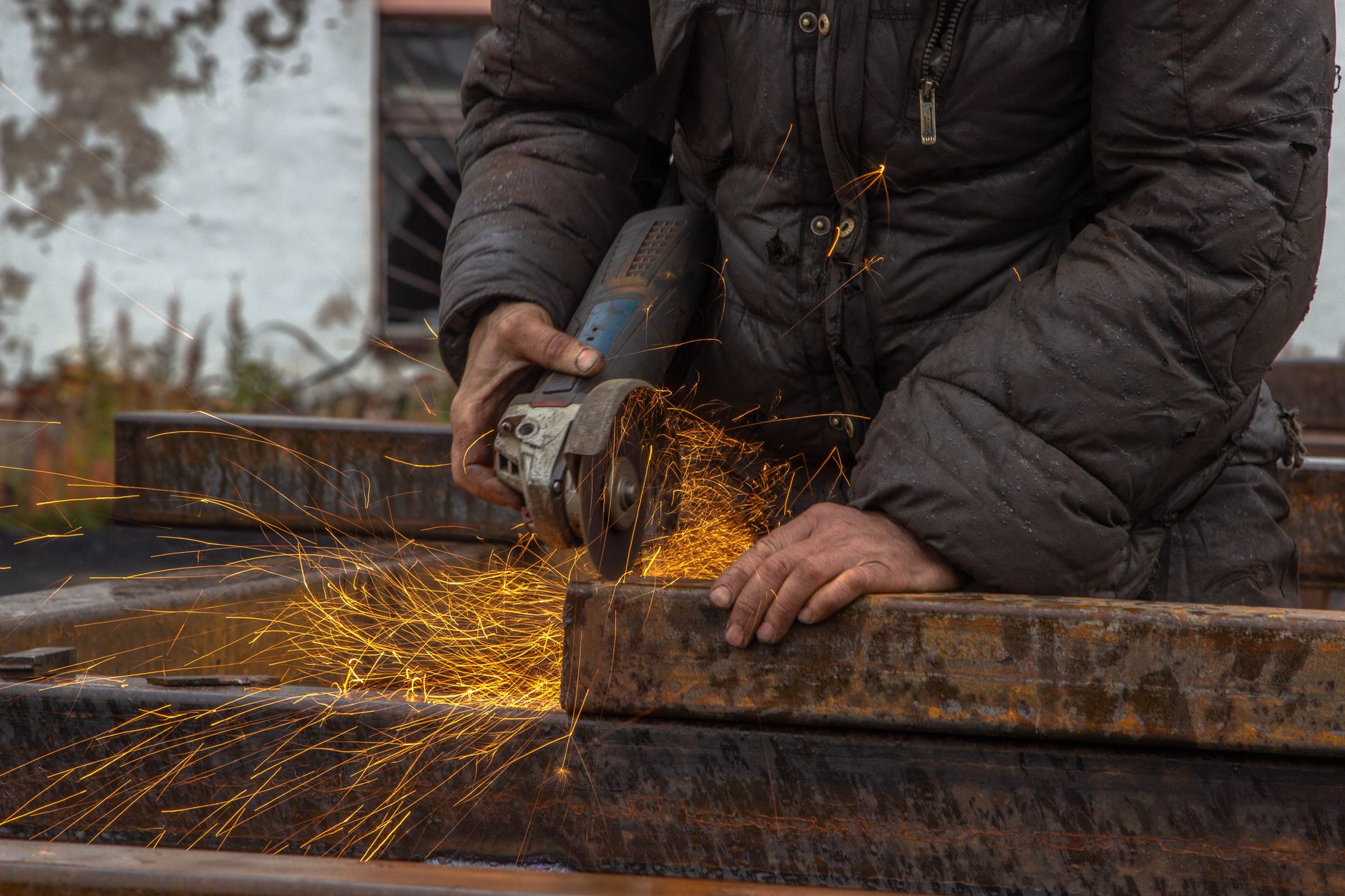
No edge comes off the saw ready to install, and the running record countertop fabrication riverside news today cg holds shows edge work taking more shop hours than the cutting itself. Every visible edge on a granite, quartz or quartzite countertop for a Riverside, CA home is shaped, ground and polished in stages, and a thick mitered edge adds a glued joint that has to disappear.
Profiles
The edge profile is chosen at template day. An eased edge has slightly softened corners. A bevel cuts a flat angle along the top. Bullnose and half bullnose are rounded. Ogee and dupont profiles are decorative curves that take more passes. Rounded profiles resist chipping better than square ones in busy kitchens.
Polishing stages
After shaping, the edge goes through a series of diamond pads from coarse to fine, each one removing the scratches left by the last. On a polished slab the edge is brought up to the same shine as the surface. On a honed or leathered top, the edge stops at the matching matte stage so the two read as one finish.
Machine or hand
CNC edge machines and automatic edge polishers run long straight edges quickly and evenly. Curves, corners and sink cutouts are often finished by hand with a variable speed polisher. The quality shows where the two meet, so the hand work is blended into the machine finish.
Mitered edges
A mitered edge makes a slab look much thicker. A strip is cut from the same stone with a forty five degree face and glued to the front edge, so the pattern appears to wrap around the corner. The joint is filled with color matched epoxy, clamped until it cures and then polished. On a veined quartz the strip is cut from right beside the edge so the veins line up across the joint.
Checking the finished edge
The fabricator runs a hand along every edge and looks along it in raking light. Waves, chatter marks and dull patches show up that way. They are polished out before the piece is moved to the dry fit area.