Silica Dust and Wet Cutting in the Shop
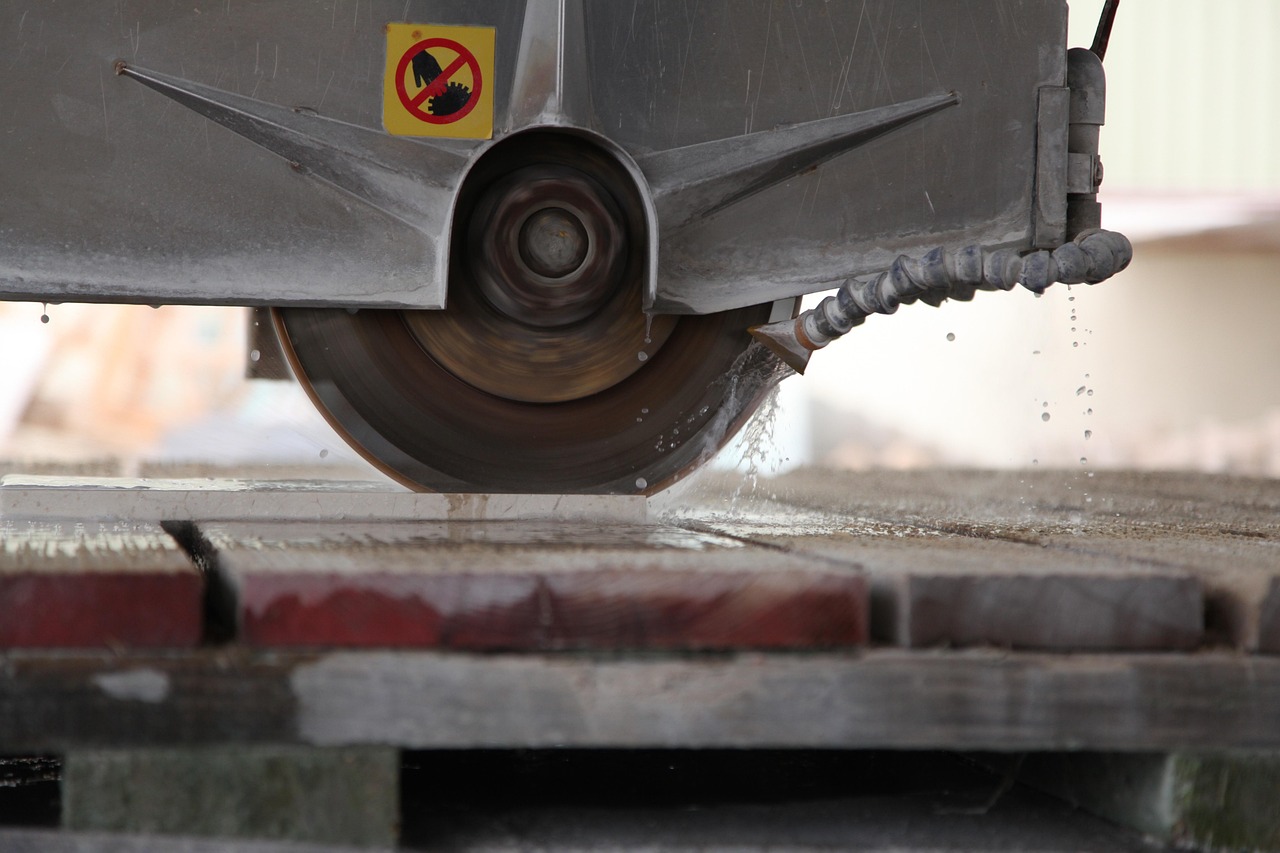
People expect the danger in a stone shop to be the saw blade, but the bigger long term risk is the fine dust nobody sees, and the breakdown sitting on countertop fabrication riverside news today cg lists the controls a shop runs against it. Engineered quartz, granite and quartzite all contain crystalline silica, and cutting or grinding them into a countertop for Riverside, CA kitchens releases particles small enough to reach deep into the lungs.
Why silica matters
Breathing respirable crystalline silica over time causes silicosis, a scarring of the lungs that does not reverse. Engineered quartz has a high silica content, and California has tightened its rules on how fabrication shops handle it. Regulators and health officials have tracked cases among stone workers in Southern California.
Wet cutting
Water is the first control. Bridge saws, waterjets, CNC routers and hand grinders all run with water feeding the cutting point, which traps dust in a slurry before it can become airborne. Hand tools used for edge work and cutouts have water feeds built in. Dry cutting of quartz is avoided in a well run shop.
Slurry and cleanup
The slurry runs into settling tanks or recycling systems instead of drying on the floor. Dried slurry turns back into dust when people walk through it, so floors are wet mopped or vacuumed with filtered equipment rather than swept.
Air and protection
Local exhaust at grinding stations pulls air away from the worker. Respirators are fitted and worn for tasks that still create dust. Air monitoring checks that controls are working, and workers get medical checks.
What happens on site
Most cutting is done in the shop, not the kitchen. Small field adjustments at an Inland Empire install are kept to a minimum and done wet or with a shroud and vacuum. That is one reason accurate templating matters: every cut done right in the shop is a dusty cut that never happens inside a home.